Elijah Maestas, October 9, 2023
Dataset
For the data I decided to go with the flow and use weather data, specifically the highest and lowest temperature for Albuquerque, New Mexico specifically. The website I used was the National Weather Service website which can be found here: https://www.weather.gov/wrh/Climate?wfo=abq. Most of the data I got was in regards to both the max temperature for specific day’s of the year as well as the min/max and mean of all of those specific data points spanning back to when they began to collect the data all the when I was born in the year 2000. There was a few datapoints that I had to pull in order to make these sorts of design work including humidity as well as precipitation, but generally there was no issues in actually using the data that I had found.
Design Process
Initially I had wanted to use the above information to generate a 3d bitmap and print that, but after running into errors in my code and not being able to fix it in time, I defaulted back to printing the vessels you see now which is why there more basic than I would like. Each dip and valley is a contrast between both the min and max temp of a certain time period in Albuquerque, the curves and dips are meant to represent them but I didn’t want them to become to deep since some of the data later on is extremely varied in both categories that it would make my objects impossible to print because of stability issues.
Rhino Images
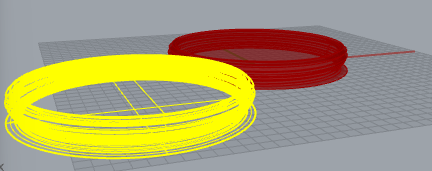
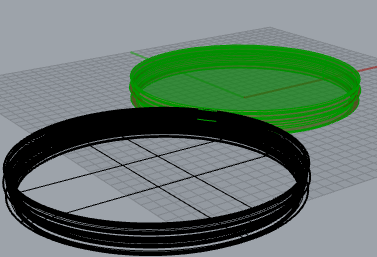
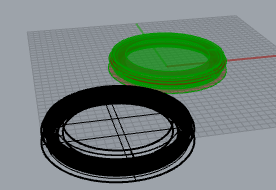
Printing Problems
Overall there were no major issues with the printing process at first, each vessel came out as I expected with no sorts of errors. The last vessel I made however somehow got some extra pieces of fillament stuck underneath the base, and since I went to sleep while having it print. In the morning I awoke to find a strange line running down the side as the piece of fillament caused the whole thing to tip slightly enough that a large line ran down the side of it in a quite noticeable way.
Reflection
Overall I would say that although I am still proud of the end result as it came out much cleaner than I expected, I am still somewhat initially disappointed in myself. The main reason being that initially I wanted to use this weather data to create an interesting bitmap as seen in the examples we went over with the professor, I had the necessary bitmaps and everything else ready to go, but the errors I kept running into in the coding section kept throwing me off enough to force me to go back to a more simpler design as I simply would not have enough time to print what I initially wanted even if I did figure out the problem right then and there. Another thing I couldn’t seem to fix as well was how the code was initially squished in rhino as well. I tried a multitude of things to try and stretch it out, but overall I think the main cause being that my data set simply didn’t have enough data to actually stretch it how I wanted, leading me to simply stretch the final design in Cura. Some did turn out how I wanted but others didn’t really have that same level of depth that I was originally hoping for. But overall I think in regards to how hard I worked I would still say I’m proud of the final project even if it isn’t exactly what I was going for, I believe it still comes across with the information and story I originally wanted to tell, so that is the most important part in my eyes.
Grasshopper Code
Final Print images
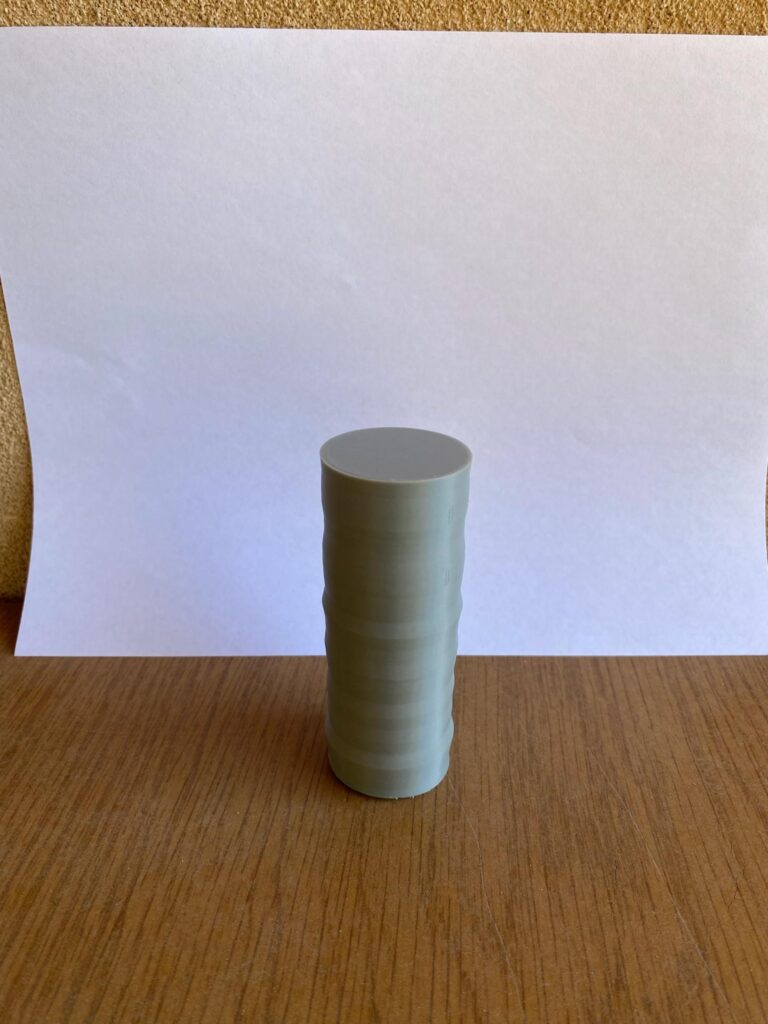
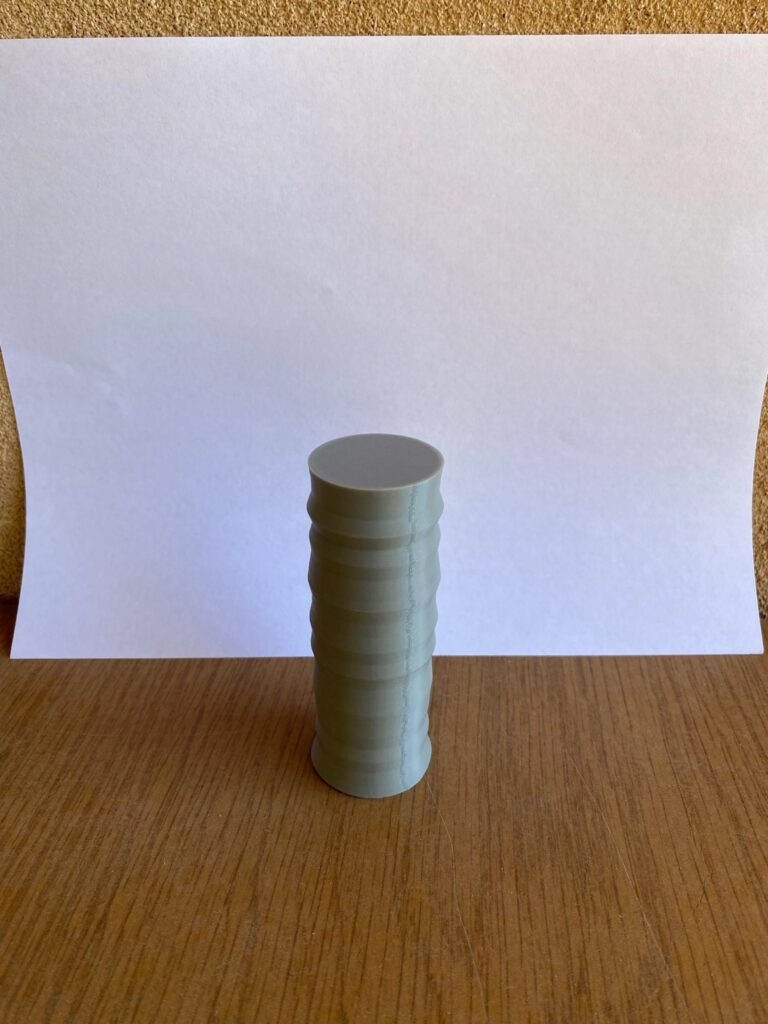
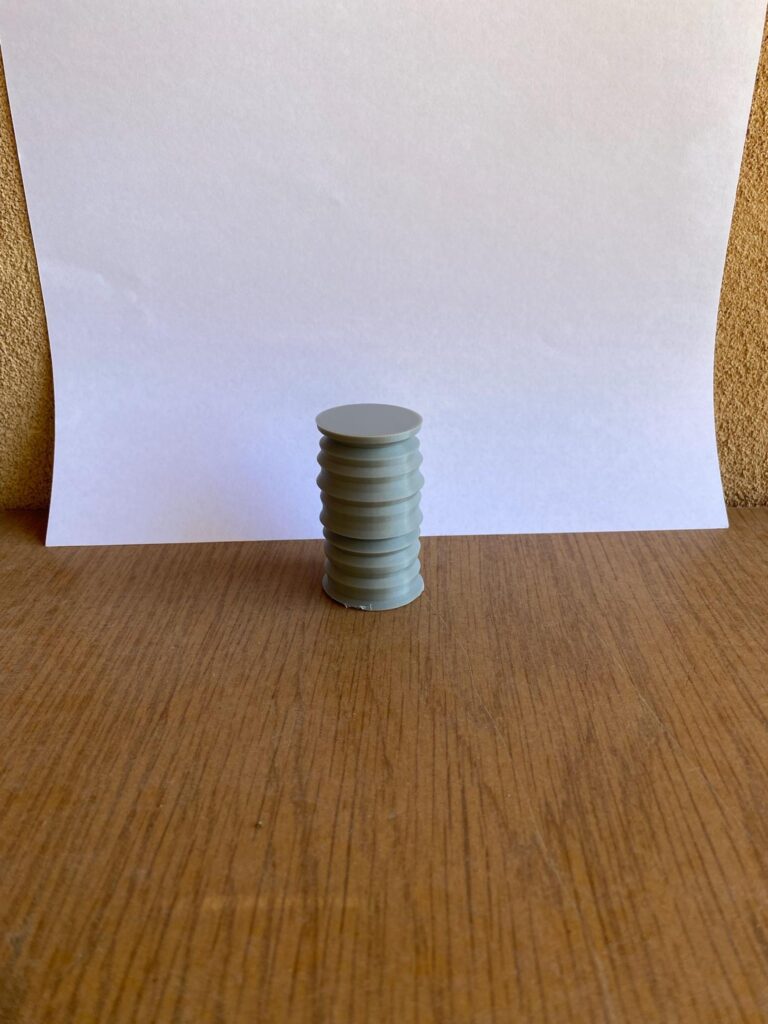
Hey Elijah, I like the simplistic design of the prints even if that wasn’t what you were hoping to get originally. I think it allows the data to be clear in how much it has/hasn’t changed over the years. I also think the models that you have in rhino ended up looking pretty cool as well.